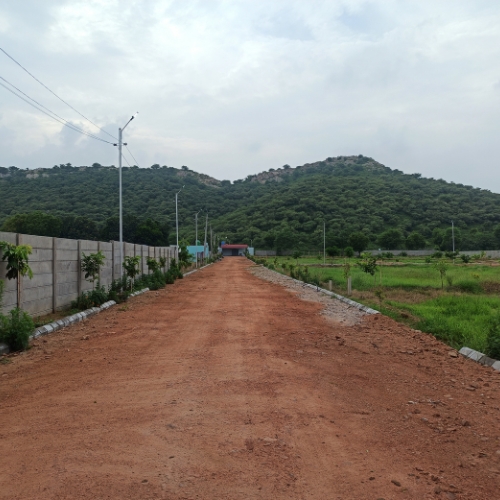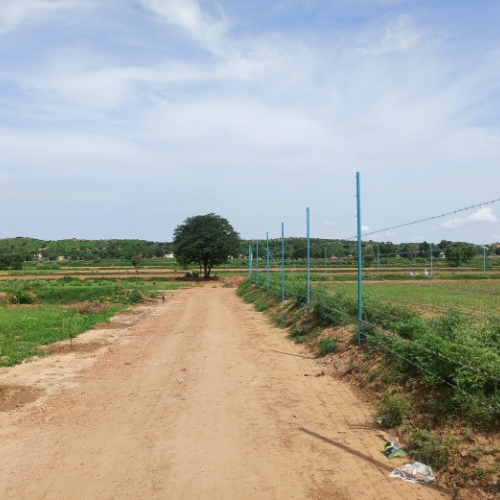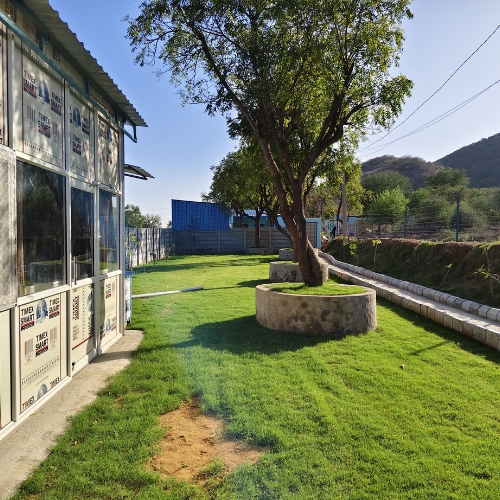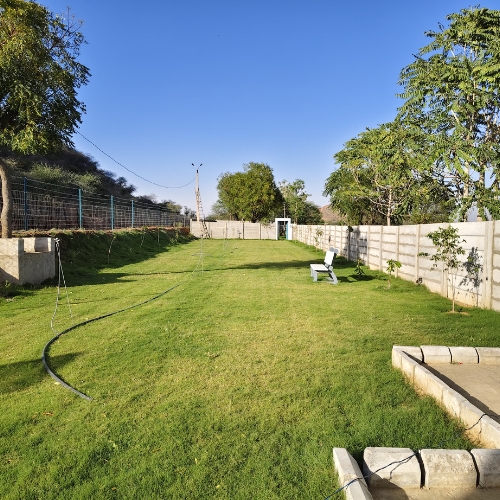
Compare AQI, climate and lifestyle benefits of a farmhouse near Alwar vs Delhi NCR. Discover why cleaner air and nature living attract NCR buyers.
For families and professionals in North India, the idea of owning a farmhouse near Alwar is no longer just about luxury weekends, it is increasingly linked with health, climate comfort, and long‑term lifestyle planning. While many buyers still consider a Farmhouse Near Delhi NCR or a Farmhouse Near Gurgaon, the comparison between urban proximity and environmental quality is becoming more important than ever. Rising pollution levels, urban congestion, and stressful routines are pushing people to evaluate where they truly want to spend their free time and invest their savings.
This guide breaks down AQI differences, climate advantages, and everyday lifestyle benefits in a practical, research‑oriented way so buyers can make informed decisions. The perspective is based on on‑ground observations, regional climate patterns, and evolving buyer behaviour in the Alwar–NCR belt a region where trusted developers like Vyom Regency have already delivered successful farmhouse communities and continue to shape organized nature living.
1. AQI & Clean Air Advantage: Why Environment Is the New Priority
Air Quality Index (AQI) has become a household term in NCR. Seasonal smog, industrial emissions, and traffic density directly impact breathing comfort and long‑term health. When comparing a Farmhouse Near Delhi NCR with a Farmhouse Near Alwar, the air quality gap often becomes the most decisive factor.
Typical Environmental Differences Observed:
NCR winter AQI frequently ranges from 250–450
Semi‑rural Alwar belts often remain in 40–90 range
Lower particulate matter means easier breathing and better outdoor activity
Reduced noise pollution improves sleep cycles
Practical Lifestyle Impact:
More outdoor time for children without constant mask use
Seniors experience fewer respiratory irritations
Weekends feel restorative rather than tiring
Natural ventilation works better than air purifiers
2. Climate & Geography: Natural Comfort Beyond Air Quality
While AQI is a strong driver, climate comfort also plays a major role in long‑term usability of a farmhouse. Buyers comparing a Farmhouse Near Gurgaon with a Farmhouse Near Alwar frequently notice differences in temperature perception, wind flow, and humidity balance.
Geographic Advantages of the Alwar Belt:
Proximity to the Aravalli range creates natural wind corridors
Slightly cooler evenings compared to dense urban pockets
Lower heat‑retention due to open land surfaces
Better rainwater absorption and soil health
Why Climate Matters for Farmhouse Buyers:
Reduced dependency on artificial cooling systems
Comfortable evenings encourage social and family gatherings
Better suitability for kitchen gardens and organic farming
Enhanced land fertility for landscaping or plantations
3. Lifestyle & Mental Wellness: The Real Return on Investment
Beyond data and geography lies the human factor lifestyle quality. A Farmhouse Near Alwar is increasingly seen as a “wellness asset” rather than just a real estate purchase. Urban professionals searching for a Farmhouse Near Delhi NCR often start with distance concerns but eventually shift focus toward mental and physical well‑being.
Observable Lifestyle Benefits:
Open green surroundings reduce visual and mental fatigue
Weekend digital detox becomes easier in low‑noise environments
Children develop closer connection with nature and outdoor play
Families experience more uninterrupted bonding time
Daily Life Enhancements Reported by Owners:
Improved sleep quality
Reduced stress and anxiety levels
Greater sense of privacy and space
Opportunity for hobby farming or gardening
4. Accessibility, Investment Logic & Brand Trust
A common misconception is that moving slightly away from NCR means losing connectivity. In reality, infrastructure growth has improved road networks and travel efficiency toward Alwar and nearby districts. Buyers evaluating a Farmhouse Near Gurgaon now consider not just distance but travel comfort versus environmental gain.
Connectivity & Investment Considerations:
2–3 hour drive windows are ideal for weekend use
Emerging expressways are reducing travel time further
Land appreciation tends to be stronger in organized gated communities
Transparent documentation and planned layouts increase resale value
Established developers such as Vyom Regency have contributed to organized farmhouse ecosystems by focusing on legal clarity, gated planning, and sustainable land use. Such structured projects often outperform scattered land parcels in both usability and long‑term value.
Balanced Verdict: Urban Proximity vs Natural Quality
Choosing between a Farmhouse Near Delhi NCR and a Farmhouse Near Alwar ultimately depends on what the buyer values more instant proximity or environmental advantage. However, trends clearly show a shift toward cleaner air, better climate comfort, and holistic lifestyle returns.
A nature‑aligned farmhouse is no longer a distant dream; it is becoming a strategic decision that blends health, leisure, and financial foresight. For families seeking breathable weekends, professionals wanting mental reset, and investors looking for structured growth, the Alwar belt presents a compelling case.
In simple terms: Urban convenience is important but clean air, calm surroundings, and lifestyle sustainability are becoming priceless.
Frequently Asked Questions (FAQ)
1. Why is a farmhouse near Alwar considered better than Delhi NCR for air quality?
A farmhouse near Alwar generally experiences significantly lower AQI levels compared to Delhi NCR. While NCR often records AQI between 250–450 during peak pollution months, semi-rural Alwar regions typically remain in the 40–90 range. Cleaner air supports better respiratory health, outdoor living, and overall well-being.
2. How does the climate near Alwar differ from Delhi NCR?
The Alwar belt benefits from proximity to the Aravalli range, creating better wind flow and slightly cooler evenings compared to dense urban areas of Delhi NCR. Open land surfaces also reduce heat retention, making farmhouse living more comfortable year-round.
3. Is a farmhouse near Alwar suitable for weekend living from Gurgaon or Delhi?
Yes. Most farmhouse locations near Alwar are approximately 2–3 hours by road from Gurgaon and parts of Delhi NCR, making them ideal for weekend homes. Improved highway connectivity has further enhanced travel comfort.
4. What are the lifestyle benefits of owning a farmhouse near Alwar?
Owning a farmhouse near Alwar offers:
Cleaner and quieter surroundings
Better sleep quality
Reduced stress levels
More outdoor activities for children
Opportunities for gardening and hobby farming
It is often viewed as a wellness investment rather than just a property purchase.
5. Is investment in farmhouse plots near Alwar financially viable?
Organized and legally clear farmhouse communities in the Alwar region show strong long-term appreciation potential. Structured developments with gated planning and proper documentation tend to perform better than scattered land parcels.
6. Does moving away from Delhi NCR mean losing connectivity?
Not necessarily. Infrastructure development and improved road networks have made travel between Gurgaon, Delhi NCR, and Alwar smoother. Buyers increasingly evaluate travel efficiency alongside environmental quality.
7. Who should consider buying a farmhouse near Alwar?
A farmhouse near Alwar is suitable for:
NCR professionals seeking weekend relaxation
Families prioritizing clean air and open space
Investors looking for structured land growth
Individuals interested in organic farming or nature-centric living
8. Is a farmhouse near Alwar better for long-term lifestyle planning?
Yes. With increasing urban pollution and congestion in Delhi NCR, many buyers view Alwar as a balanced alternative offering environmental comfort, mental wellness, and future appreciation potential.